
Cognitive Safety App
Challenge
Construction-related businesses face increased insurance costs due to labor safety infractions. Safety managers need an app they can provide their employees with to test their cognitive ability to handle heavy equipment daily.
High-level goals
Validate this assumption
Understand the processes of daily safety readiness and which aspects laborers struggle with and why.
Design a more robust safety readiness application that incorporates the natural behavior of employees, is quick and easy to perform, and acts as a conversation starter for laborers and safety managers, helping them reduce unsafe behavior in the workplace.

Discovery
We employed industry research, persona creation, and user journey mapping.
Research questions
What are the daily processes employees go through before operating machinery?
What safety or other pre-work requirements must employees complete before operating machinery?
What aspects of these pre-work requirements do employees struggle with most (if any) to find the path of least resistance to app usage?
Methodology & Participants
In-person interviews with 3 participants
Location: Denver, CO
Length: 30 minutes
Safety managers
Key Findings
Participants share the following statements throughout the interviews:
Employees share with safety managers that the job is boring; it’s the same routine every day
Employees show up to perpetually tired
Employees tell safety managers that they feel disrespected
Employees are often working several jobs
A Typical User: Nick Jones
Demographics

AGE: 32 | OCCUPATION: Road Maintenance Worker | LOCATION: Albuquerque, NM | RELATIONSHIP STATUS: In a relationship
💪 Machismo ⚙️Hardworking 😅Lacks attention to detail 📚Hates reading
Get a raise
Buy a new car
Propose to girlfriend
Goals
Repetitive Job
Constant physical fatigue
Not respected by their manager
Frustrations
Earning more money
Working on new projects
Getting time off
Motivations
User Stories

Jose, a warehouse worker for the last five years, has had two preventable accidents with his forklift in the last six months and needs to prove to his safety manager that he can do his job effectively.

Zach, a new mechanic, has just started working graveyard shifts for a transport company and is having trouble adjusting to the schedule. Last week, he forgot to secure a lugnut and was called into his manager's office about the complaint. He needs a quick way to ensure he can work for the day.

Nick, a road maintenance worker, sometimes works doubles for two separate construction companies to save enough money to buy a house. Last week, his safety manager saw him swerve toward another vehicle onsite. He needs a way to prove to his safety manager he’s awake enough to drive a vehicle.
Creating the experience
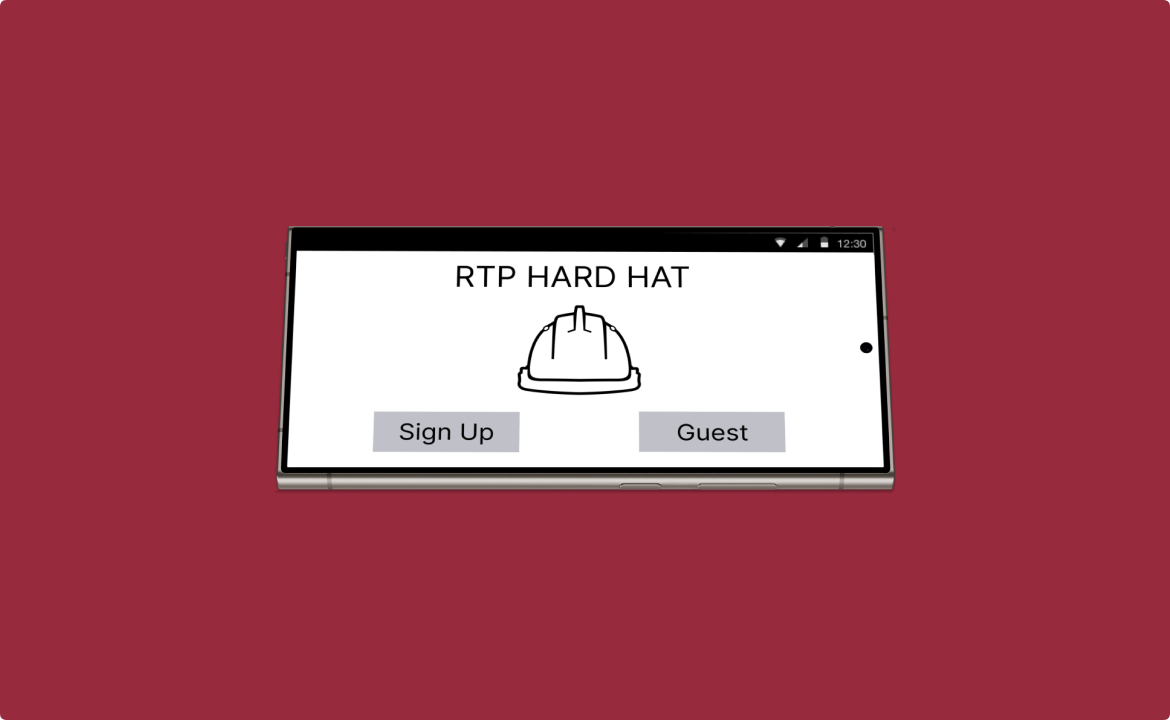
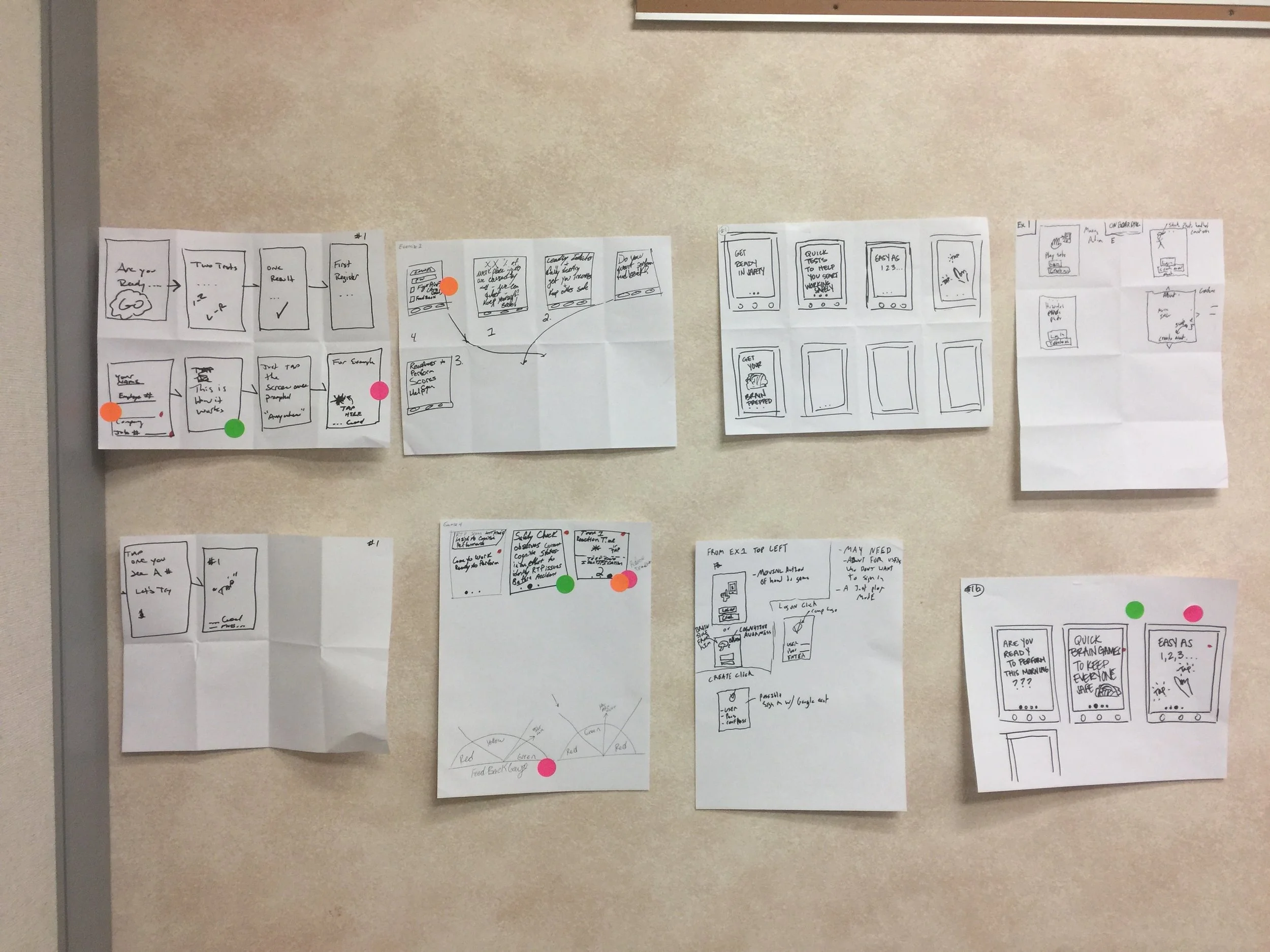
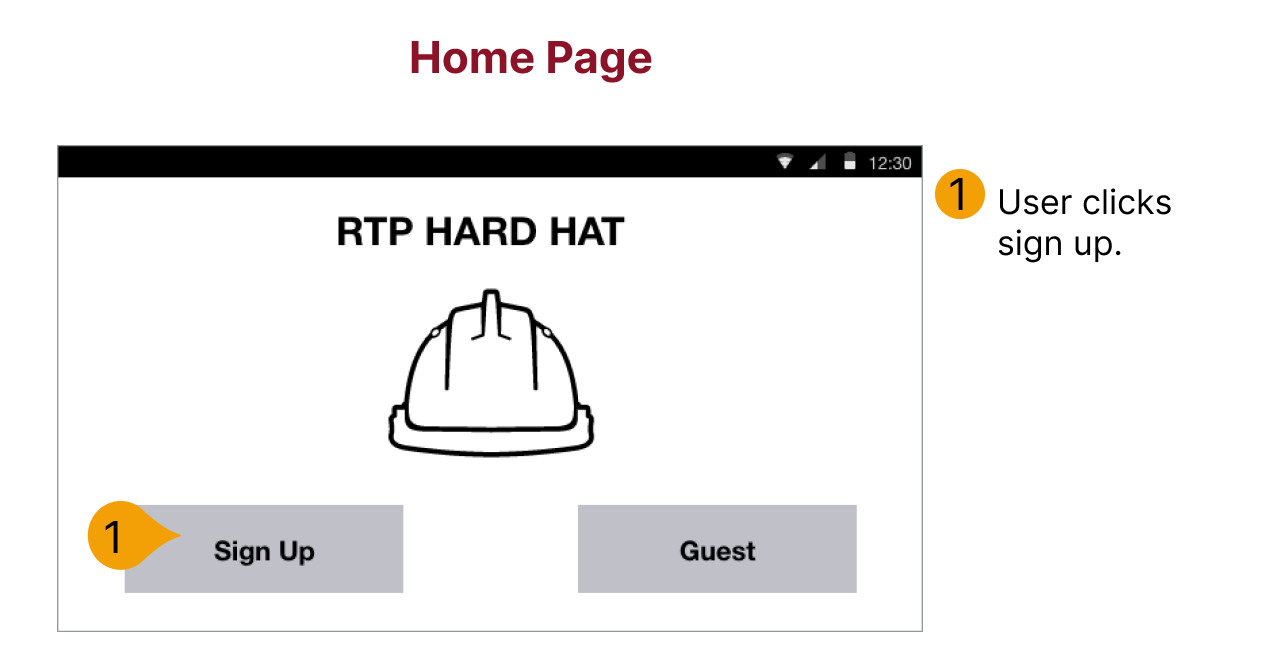
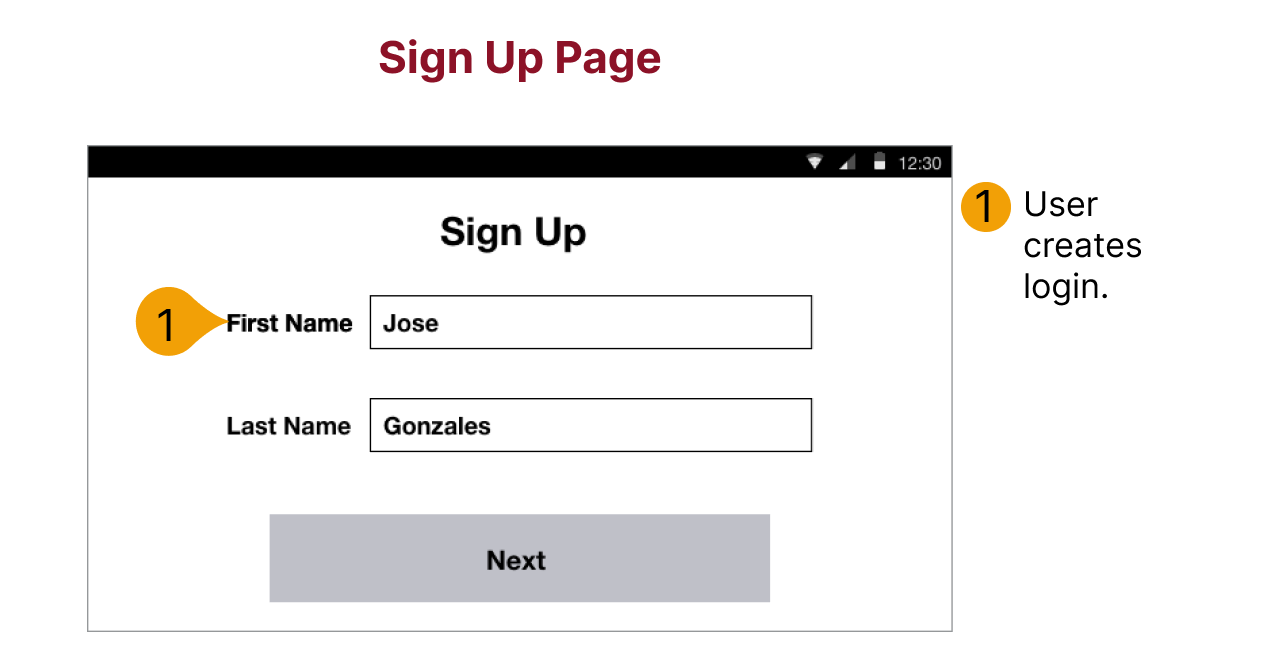
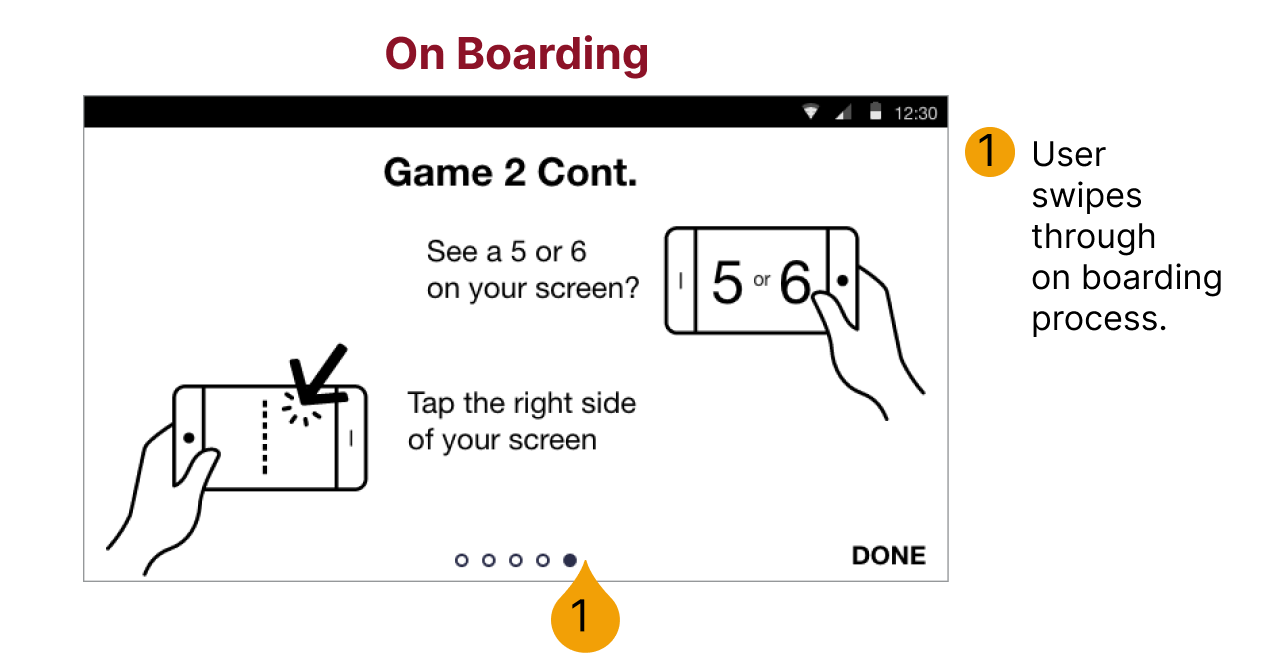
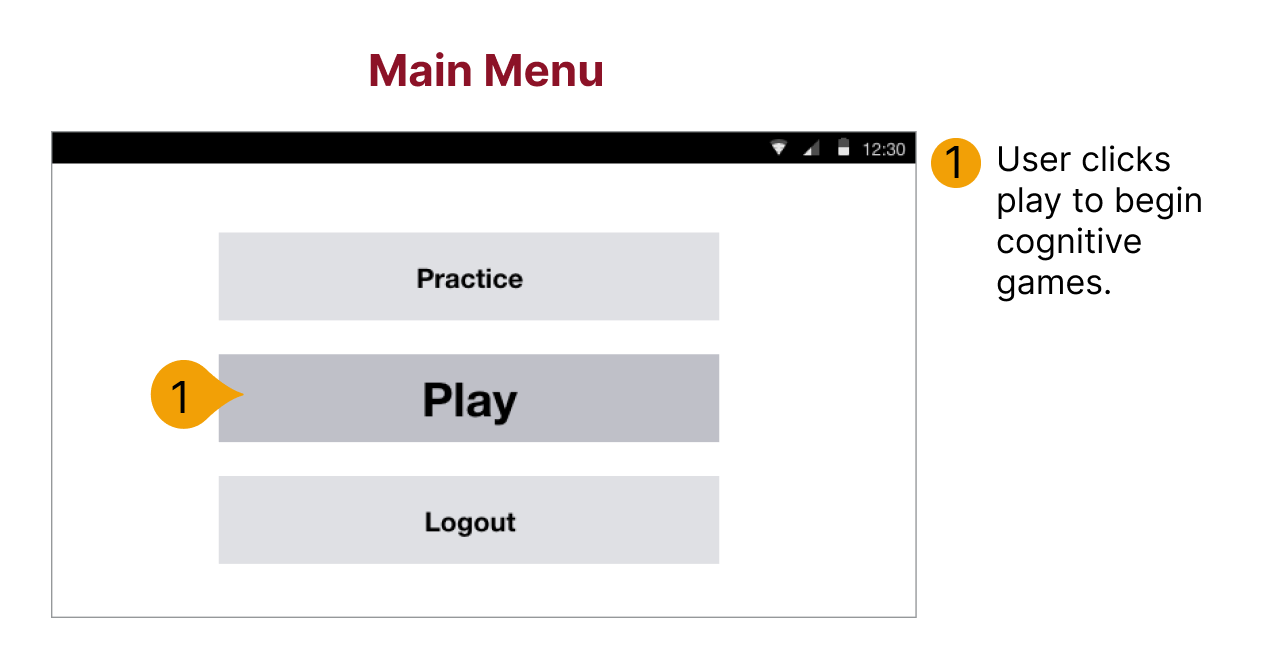
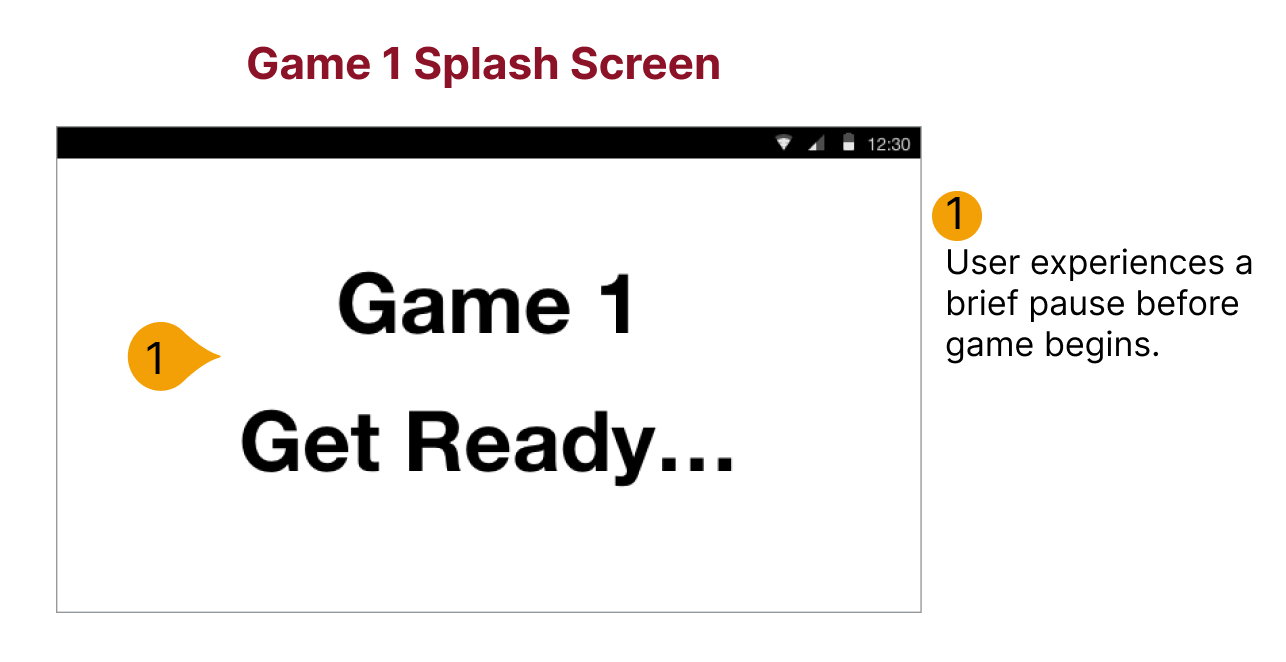
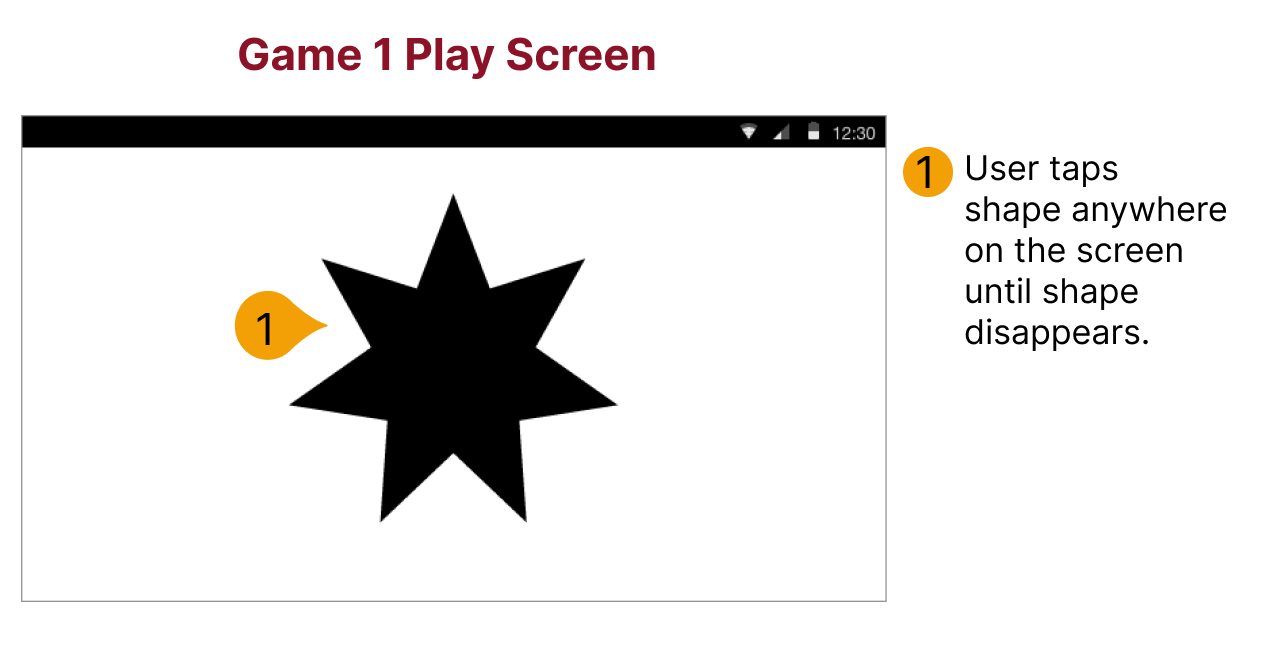
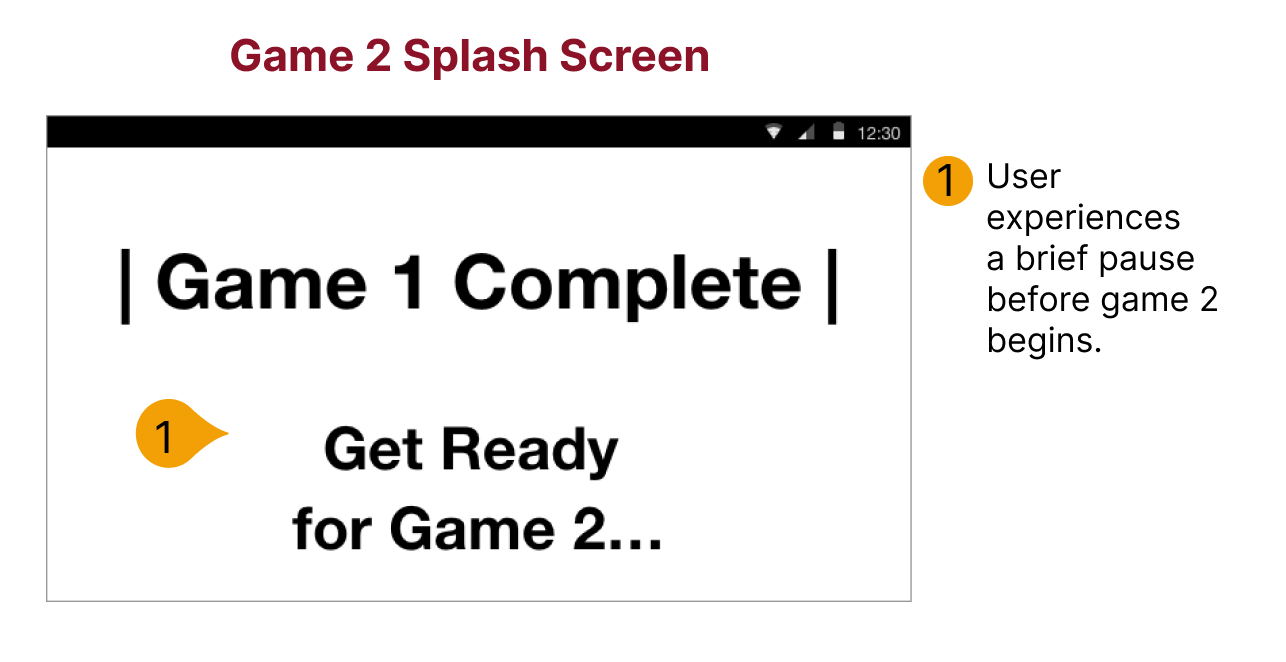
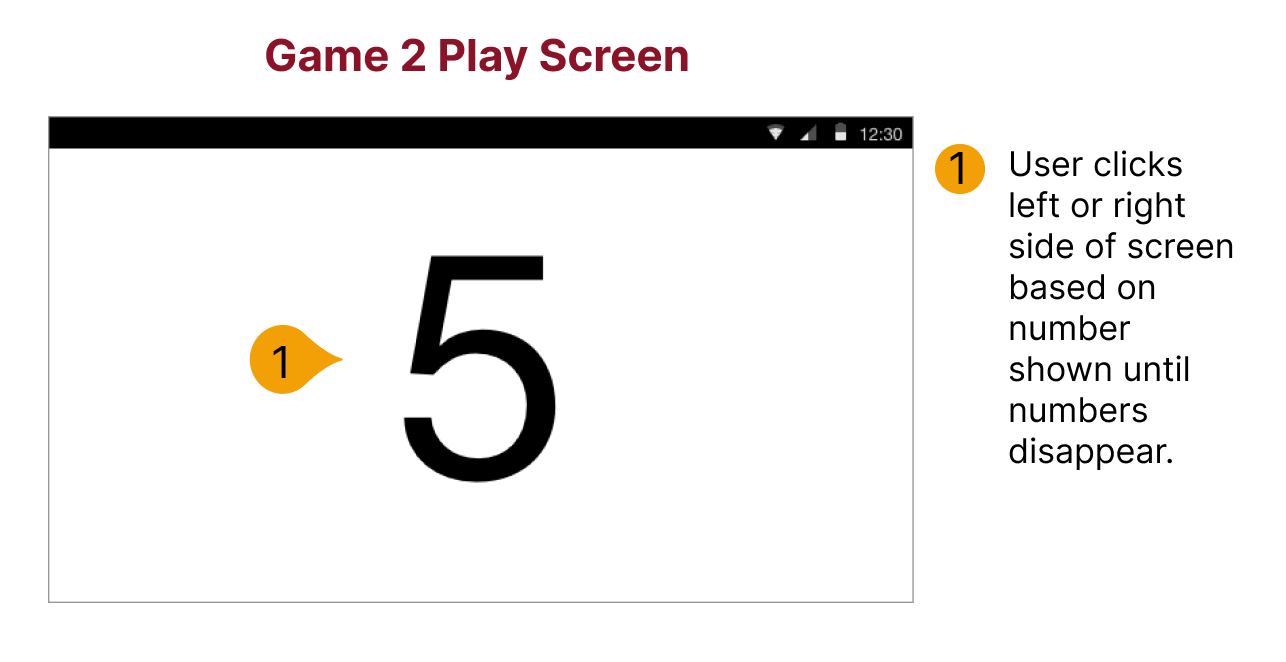
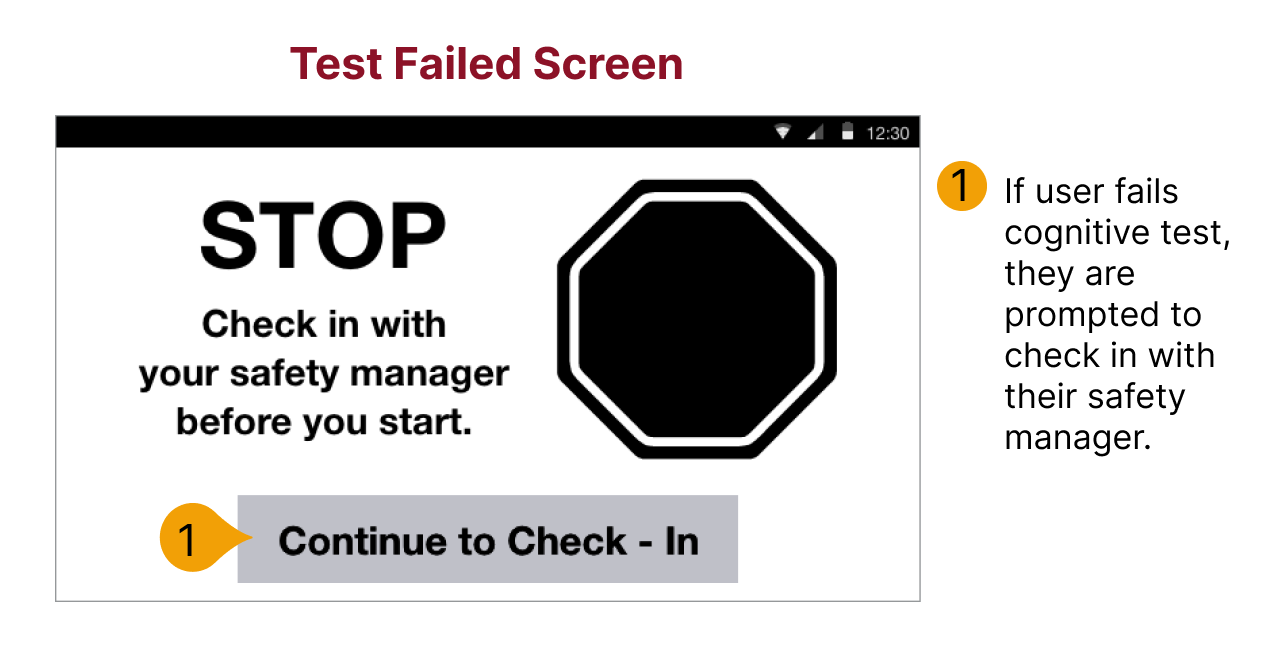
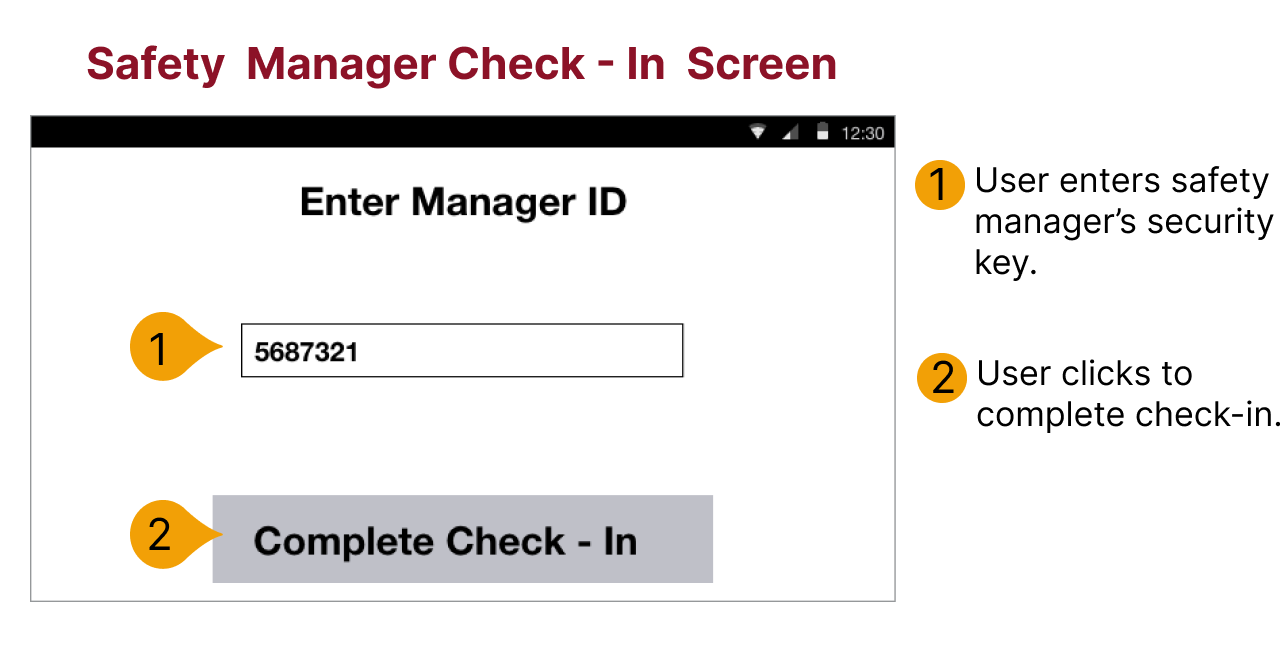
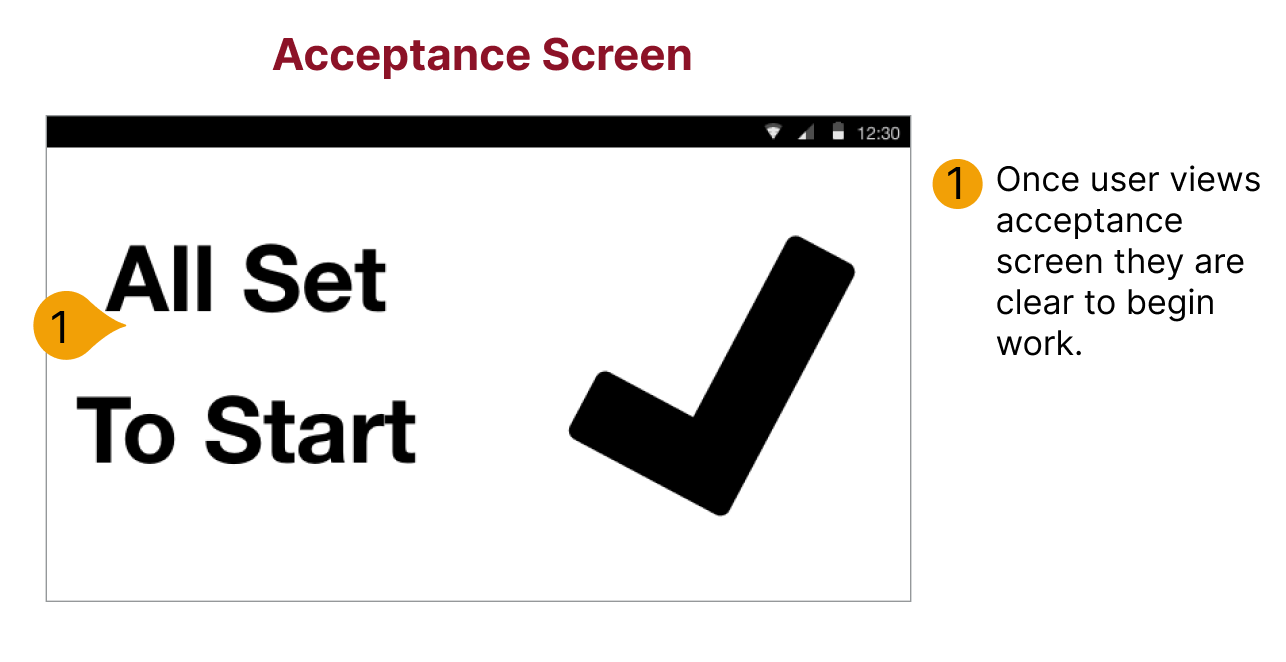
The RTP Hardhat App provides safety managers with a method to test their employees' cognitive function and ability before allowing them to work with vehicles or heavy machinery. The design process included creating a user flow and information architecture aligned with these features. The client opted to stop work at the low-fidelity prototype phase. No user testing was conducted.
Final Thoughts
Despite challenges such as budgetary and timeline constraints, this project presented a compelling opportunity. However, obtaining genuine user validation proved challenging due to limitations in interviewee availability and proprietary software constraints.
Collaborating with a trio of ambitious entrepreneurs aiming to pitch their idea to an angel investor, we navigated through limited resources. The focus was on crafting a fundamental design concept poised for presentation to potential investors.
Next steps would be to conduct user interviews and user testing with the prototype to validate the design and usability of the app.